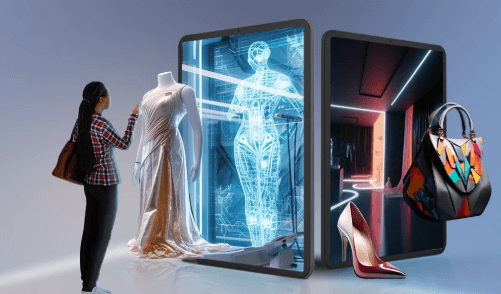
The traditional prototyping phase has long been the most grueling part of the fashion cycle. Historically, moving from a creative sketch to a professional-grade prototype meant a manual transition through pattern making, toile sewing, and multiple fit adjustments. This process was not only slow but also a major source of material waste and technical frustration. However, the industry is undergoing a digital transformation. With the advent of AI sketch to 3D technology, designers can now leapfrog the manual labor and turn simple hand-drawn concepts into professional 3D designs almost instantly.
The Bottleneck of Manual Prototyping
For generations, the “sketch-to-sample” gap was a designer’s biggest hurdle. A beautiful drawing often stayed trapped on paper for weeks while technical teams struggled to interpret the correct proportions and drape. Every misunderstanding in this phase resulted in a physical sample that had to be discarded, leading to high overhead costs and delayed launch dates.
Modern AI technology has dismantled this bottleneck. By recognizing the structural language of a line drawing, AI now acts as an instant technical translator, converting 2D ideas into 3D assets that are ready for review, marketing, and even production.
How AI Sketch to 3D Works Its Magic
The transition from a simple drawing to a high-fidelity 3D model is powered by deep-learning algorithms specifically trained on garment construction.
1. Structural Interpretation
When you upload a sketch, the AI identifies the silhouette, seam lines, and garment type. Whether it is a structured blazer or a draped evening gown, the system builds a 3D mesh that respects the original intent of the lines.
2. Physics-Based Draping
Unlike basic 3D modeling, AI-powered design understands textile physics. It applies gravity, tension, and friction to the digital model. This means a sketch of a silk blouse will ripple and flow realistically over a 3D avatar, while a sketch of a wool coat will maintain its intended rigidity.
3. Texture and Detail Mapping
Beyond the shape, the AI allows for the instant application of textures and trims. Designers can “paint” their sketches with digital materials, seeing how a specific print or hardware detail looks in a 360-degree virtual environment.
The Business Case for Digital Prototyping
The shift to an AI-driven workflow is not just about the “wow” factor; it is a strategic business decision that impacts the bottom line:
- Massive Cost Savings: By reducing the need for physical samples, brands save thousands of dollars on fabric, labor, and international shipping.
- Aggressive Speed-to-Market: In 2026, trends move fast. AI allows brands to finalize their collections in days rather than months, ensuring they stay ahead of the curve.
- Enhanced Accuracy: Digital designs are rooted in data. The 3D model you see on the screen can be used to generate accurate 2D patterns, ensuring that the final physical garment matches the original vision exactly.
See also: The Impact of Technology on Global Markets
Sustainability: The Ethical Choice
The fashion industry is facing a sustainability crisis, and the sampling phase is one of the worst offenders for textile waste. Utilizing AI for prototyping is a powerful way to reduce a brand’s environmental footprint. By perfecting designs in a virtual space, brands ensure that only the most successful garments are actually produced. This “Digital First” approach saves water, reduces chemical runoff from dyeing, and minimizes the carbon emissions associated with global logistics.
Democratizing High-End Design
One of the most exciting aspects of this technology is its accessibility. Previously, high-fidelity 3D design required expensive software and years of training. Now, anyone who can draw a clean line can produce a professional-grade 3D design. This allows independent designers and small boutiques to compete with global fashion houses by providing them with the same high-tech prototyping tools.
Conclusion
The revolution in prototyping is here, and it is driven by the power of AI. By bridging the gap between a simple sketch and a professional 3D reality, AI sketch to 3D technology is giving designers more time to innovate and less time to troubleshoot.
As the industry moves toward a fully digital supply chain, the ability to generate prototypes instantly from a drawing will be the hallmark of a successful brand. The path from concept to creation has never been shorter, and for the fashion world, the results are more creative, efficient, and sustainable than ever before. Your next masterpiece is just a sketch away from becoming a 3D reality.